The Modern Data Stack for Private Equity Firms
The reference architecture we use to make PE portfolios reportable: automated ingestion, one canonical model, and every tool reading from the same layer.
The Modern Data Stack for Private Equity Firms
Every year the modern data stack gets rebranded, and every year private equity firms ask the same reasonable question: which parts of this actually apply to us?
The honest answer is that most of it does, but not in the order the vendors suggest. PE data has a specific shape, portfolio companies you did not build, deliverables that arrive as files, and a small team expected to produce institutional-grade reporting, and the architecture should be designed around that shape.
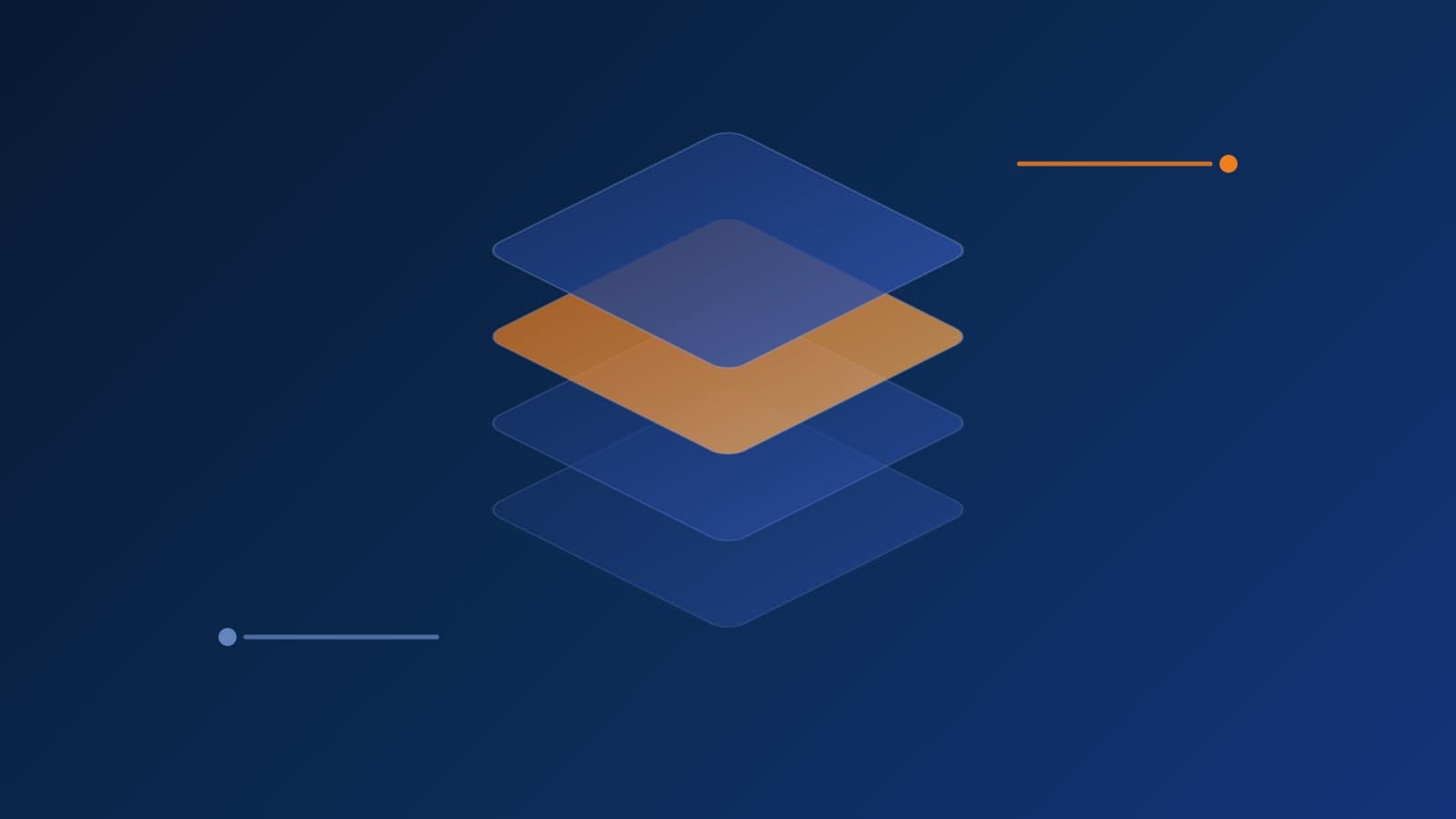
The Four Layers That Matter
1. Ingestion
Everything starts with getting data in without humans retyping it. That means direct connectors to portco accounting systems where they exist, standing extract schedules where they do not, and document pipelines for the material that arrives as spreadsheets and PDFs. The rule is simple: if a number exists in a system somewhere, no analyst should ever type it again.
2. Storage
Raw inputs land in cheap object storage exactly as they arrived, so nothing is ever lost to cleaning. Modeled data lives in warehouse-style tables optimized for reporting. Whether you call the combination a lakehouse or a warehouse with a landing zone matters far less than the discipline behind it. We walk through that decision in detail in Data Warehouse vs. Lakehouse: A Practical Guide for Private Equity.
3. The Canonical Model
This is the layer firms skip and then regret skipping. One governed schema for the whole portfolio: a standardized chart of accounts, one definition per KPI, validation rules that run automatically, and lineage from every reported number back to its source file. It is the technical enforcement of the operating contracts we describe in Building a Single Source of Truth Across Your Portfolio Companies.
4. Consumption
Every downstream tool reads from the canonical layer and nothing else:
- Dashboards for the deal team, showing actuals against budget and underwriting.
- Excel that reads live from the model, because analysts should keep the tool they love without it becoming the system of record.
- Investor reporting that assembles itself from the same governed numbers.
- AI assistants that can answer plain-language questions about the portfolio, because they finally have a trustworthy layer to read from.
What to Buy and What to Build
The unglamorous truth is that the tooling is mostly a solved problem. Connectors, storage, transformation frameworks, and BI are all mature and priced for mid-market teams. What cannot be bought is the canonical model, because it encodes your firm's definitions, your portfolio's quirks, and your reporting obligations. That layer is designed, not installed.
Firms get into trouble in two opposite ways: buying a monolithic platform and assuming the model comes with it, or hiring a team to hand-build infrastructure the market already sells. The pattern that works is boring: buy the plumbing, design the model, and hold one owner accountable for both.
Sequencing a Realistic Rollout
- Pick the metrics in your LP letter. Not all metrics, those.
- Automate ingestion for just the companies behind them.
- Stand up the canonical model and validation for that slice.
- Run one quarter in parallel with the old process, then cut over.
- Expand company by company, metric by metric.
Teams that sequence this way have a working spine in a quarter. Teams that start with an eighteen-month blueprint usually end with a blueprint.
The Bottom Line
The modern data stack is not a shopping list. For a PE firm it is four layers with one center of gravity: a canonical model that turns scattered portco data into numbers the whole firm can trust. Get that layer right and every tool above it gets easier.
If you want to see the four layers running on your own portfolio data, we will build the first slice with you.
See this in practice
Mission Control designs and manages the data platforms behind private equity firms. If your team is living the problems in this article, we can show you what the fix looks like on your own data.
Request a DemoMore from the blog


Subscribe to Our Newsletter
Get insights on data, AI, and engineering fundamentals delivered to your inbox.